Research Topics
Our Focus Areas
Promoter codes of transcription regulation in development, regeneration and tumorigenesis


The core promoter is a DNA sequence, which is required for recruitment of general transcription factors and provide the platform for Polymerase II transcription. Promoters come in many shapes and sizes and contribute to transcription regulation and serve as an integration point for diverse signals conveyed by cis regulatory elements such as enhancers. The diversity of core promoter architectures with distinct transcription initiation profiles in vertebrate genomes points at an unexplained regulatory level. Despite of decades of study, we are still unable to clearly define the DNA sequences, which determine where and how Polymerase II initiates transcription. We combine genomics approaches together with functional studies in an embryo and organoid models to understand promoter level gene regulation during vertebrate development and tumourigenesis. We have recently found how transcription initiation control can impact on how the transcribed mRNAs are processed and translated into protein. We explore the interplay between transcription control and mRNA fate control in development tumorigenesis and injury-induced regeneration. We apply bulk and single cell genomics technologies (e.g. CAGE-seq, ATAC-seq, ChIP-seq, SLAM-seq etc), targeted genetic manipulation, transgenesis and 4D imaging technologies.
Cis-regulatory organisation of developmental gene regulation
Core promoters and their interaction with cis regulatory modules such as enhancers regulate spatio-temporal dynamics of gene expression and explain not only lineage and tissue specificity but also cell to cell variation of gene expression. The aberration of transcription regulation of genes can lead to congenital and multifactorial diseases. Large-scale genomics programmes such as ENCODE and FANTOFAM resulted in prediction of previously unanticipated density of functional elements of the human genome. These predictions raise the need for understanding the regulatory grammar of cis regulatory element organisation and to validate predicted functional variation. We are use zebrafish and exploit its transparent, externally developing embryo in exploring the semantic rules of enhancer organisation of developmental regulator genes, which are highly conserved among vertebrates. We use genomics technologies to map regulatory element function and transgenic reporters for validating cis-regulatory functions of enhancer candidates associated with congenital and multifactorial diseases.

Cis-regulatory organisation of developmental gene regulation


The core promoter is a DNA sequence, which is required for recruitment of general transcription factors and provide the platform for Polymerase II transcription. Promoters come in many shapes and sizes and contribute to transcription regulation and serve as an integration point for diverse signals conveyed by cis regulatory elements such as enhancers. The diversity of core promoter architectures with distinct transcription initiation profiles in vertebrate genomes points at an unexplained regulatory level. Despite of decades of study, we are still unable to clearly define the DNA sequences, which determine where and how Polymerase II initiates transcription. We combine genomics approaches together with functional studies in an embryo and organoid models to understand promoter level gene regulation during vertebrate development and tumourigenesis. We have recently found how transcription initiation control can impact on how the transcribed mRNAs are processed and translated into protein. We explore the interplay between transcription control and mRNA fate control in development tumorigenesis and injury-induced regeneration. We apply bulk and single cell genomics technologies (e.g. CAGE-seq, ATAC-seq, ChIP-seq, SLAM-seq etc), targeted genetic manipulation, transgenesis and 4D imaging technologies.
Cis-regulatory organisation of developmental gene regulation
Transcription regulation, chromatin dynamics and nuclear organisation in early development and upon injury induced regeneration
Animal bodies including that of humans develop from a single cell, the fertilized egg. The development of embryos from fertilized eggs starts through a dramatic changeover from the unique oocyte to a fast-dividing mass of stem cells. These stem cells form cellular lineages and eventually a variety of tissues. This differentiation process is governed by the coordinated activation of thousands of genes at the right place and time through gene regulation. When and where genes get switched on is a key determinant of normal development and is encoded in the DNA (genome). An additional layer of gene control, operates by selective and dynamic packaging of DNA into chromatin. Chromatin states and conformation are key components of transcription control and are both regulators and consequences of differentiation control. We study how the earliest genes get switched on in the embryo, how are they organised in the nuclei of embryonic cells and how epigenetic mechanisms contribute to the sequential regulation of genes during embryo development. To get insight into regulatory principles of transcription, we have developed transcription imaging tools. Our imaging approach, which we called MOVIE, allows detection of the earliest genes activated in the embryo. We monitor the transcription dynamics of the first gene expression in nuclear transcriptional compartments of the early zebrafish embryo.
Biomedical application of the zebrafish model

Cancer is a highly heterogeneous set of diseases, even between those classified as the same cancer type. This is particularly true in their responses to therapeutics. There is therefore an urgent need to identify patients that will respond best to different therapeutic options. Work in our lab has identified a novel molecular profile, associated with the way in which transcription starts, which is predictive of tumour response to radiotherapy and other stressors. We currently have multiple projects running with aims to characterise this molecular profile, with a particular focus on whether it can be modified to sensitize tumours to radiotherapy. This work involves tumour organoids, zebrafish xenograft modelling, genomics technologies and 4D imaging approaches (in collaboration, funded by Alice’s Arc).
New approach methodologies for understanding the mode of action of chemicals upon toxic exposures.
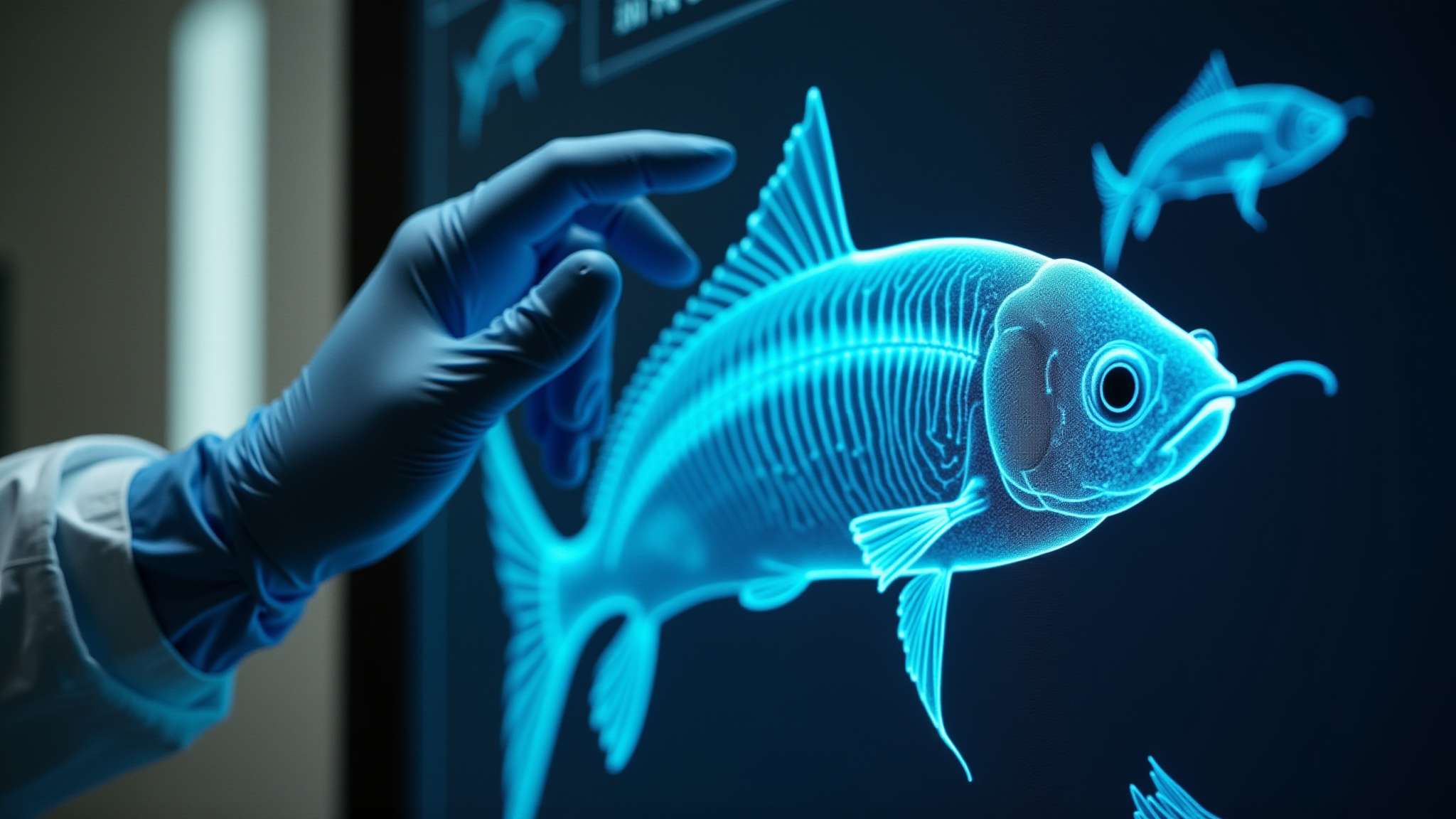
We participate in several programmes which aim develop novel scientific approaches in establishing causation between chemicals and their adverse health effects. We develop non sentient models such as embryos to replace sentient animals in the mapping of origins of toxicity pathways and deliver zebrafish developmental models in predicting health risks to humans. We apply toxicogenomics, including single cell transcriptomics to assess the cellular and tissue origin of toxic effects and to identify the molecular mode of action of toxicity in development. (Funded by EU Horizon programmes PARC and Precisiontox and HU-RIZON)